
Want to read this report?
Access MBO's reports to stay up-to-date on the latest
trends in the independent economy.
To maintain a competitive edge, companies have always strived to be an employer of choice. Now, it’s just as vital for companies to be a Client of Choice for independent professional talent.
The Rising Demand for Skilled Independent Talent
Number of Independents Providing Services to Businesses
(in millions)
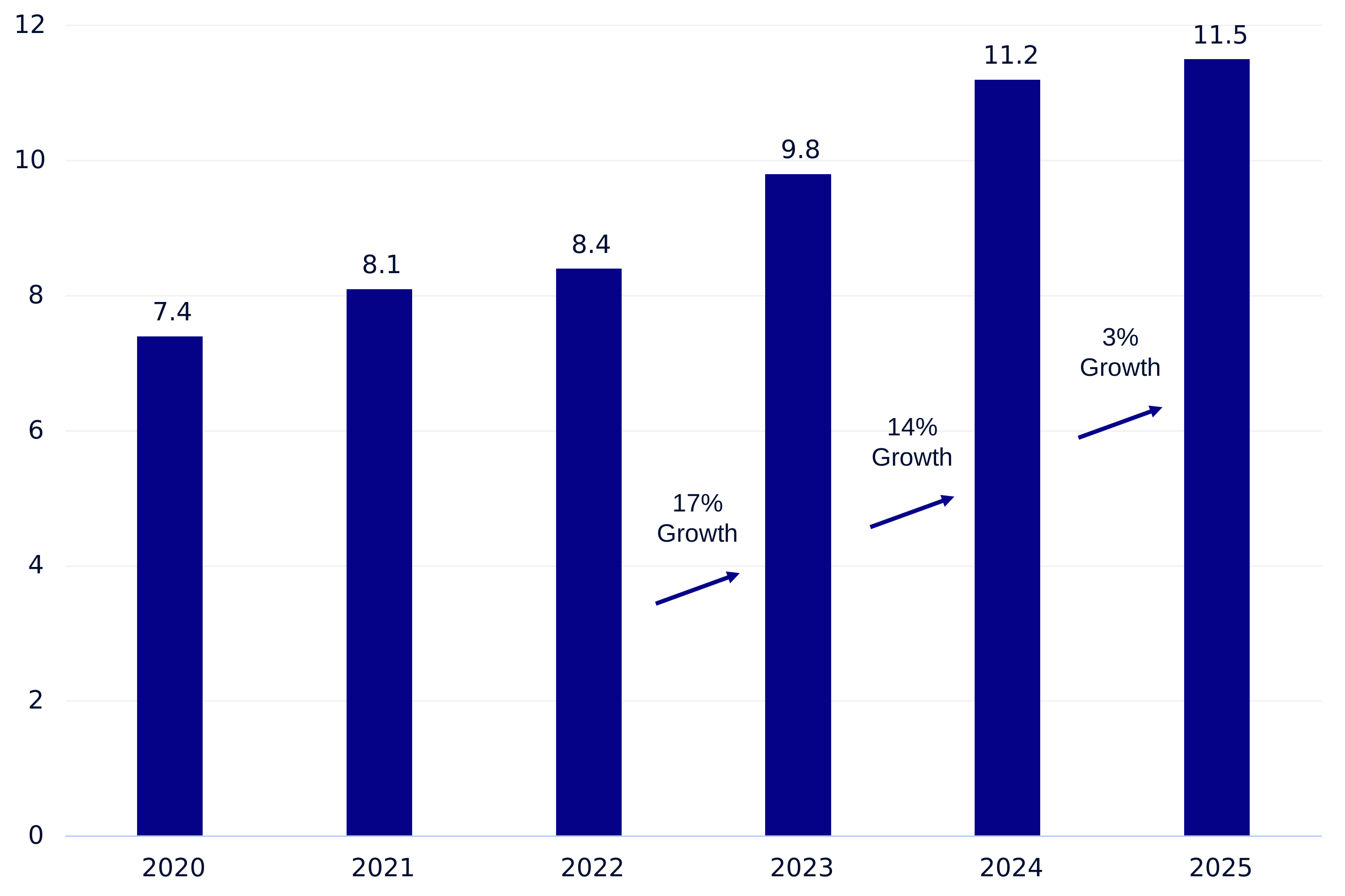
The 2025 MBO Partners State of Independence study identifies 11.5 million U.S. Independent professional service providers who work with businesses. This group includes independent consultants, contractors, statement-of-work professionals, freelancers, and others who provide professional services to businesses on a contingent basis.
This segment has grown substantially over the 15-year history of the State of Independence study, with the number of skilled independents increasing by 55% since 2020 ─ a rate of growth much faster than the overall labor market.
A key driver of this growth is the demand for skilled independents by hiring organizations. According to research by the analyst firm Staffing Industry Analysts (SIA), U.S. corporations spent $3.9 trillion on contingent workers in 2024, with independent contractors earning $676 billion, or 17%, of this amount.
GATE
Number of Independents Providing Services to Businesses
(in millions)
Why Companies Are Using More Independent Talent
Share of Independent Workers (%)
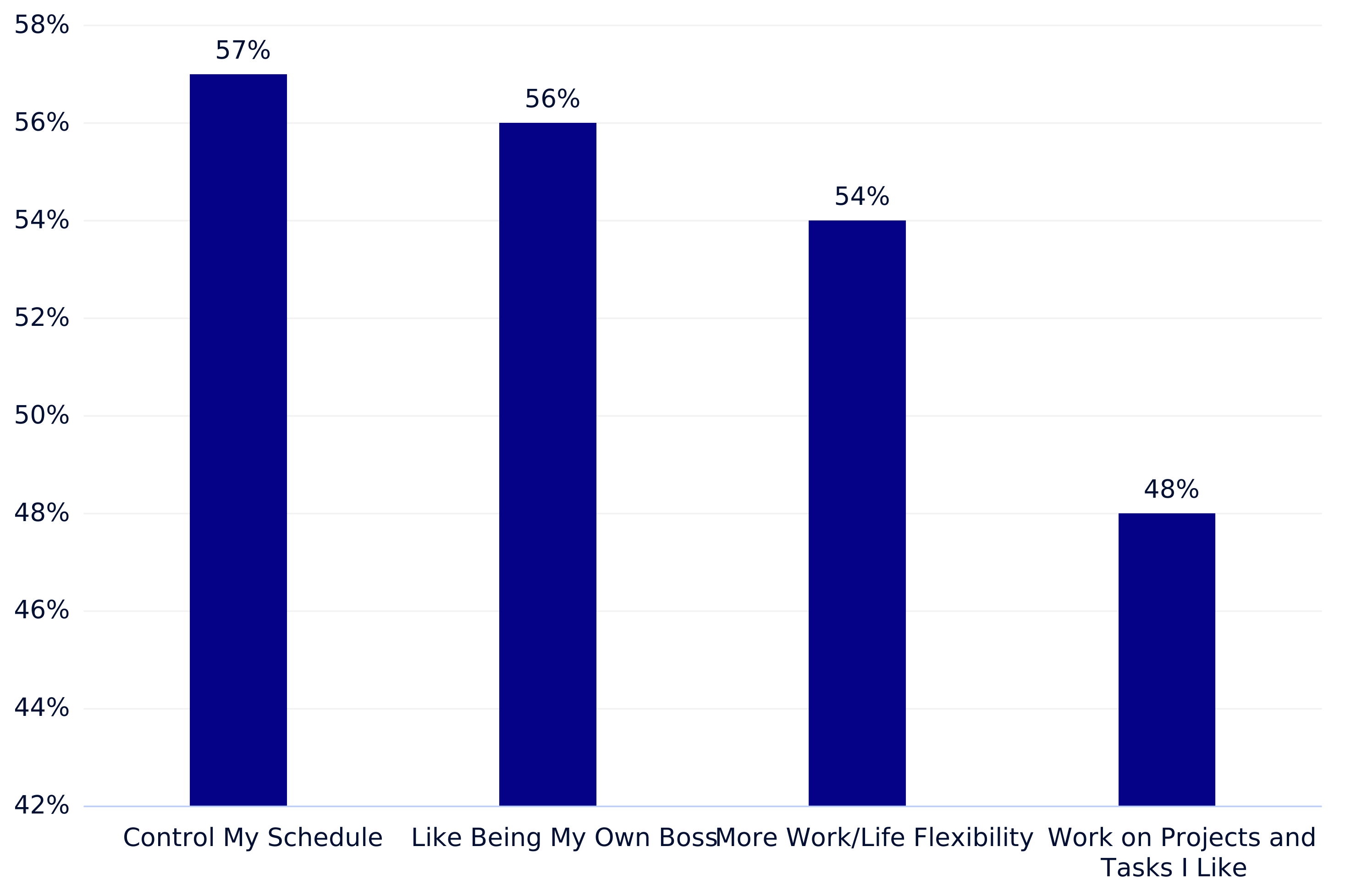
Top Reasons for Becoming an Independent Worker
Share of Independent Workers (%)
There are several reasons companies have expanded their use of independent contractors and other forms of skilled nonemployee labor.
- Increased business flexibility and agility: The use of skilled independent contractors allows companies to better react to market and competitive conditions by scaling their workforce up or down without the long-term commitments and overhead costs of traditional employees.
- Access to hard-to-find specialized skills: The competition for highly skilled talent has intensified, especially in fields such as artificial intelligence, logistics, and digital marketing. This makes it harder for firms to hire and retain full-time employees in these fields.
- Changing worker preferences: More than ever, highly skilled workers are choosing to become independent contractors for the flexible lifestyle, autonomy and control that independence provides. As a result, independent talent is becoming an increasingly essential part of workforce strategies as organizations seek the specialized skills they need .
The growing use of independent workers represents a fundamental rethinking about the composition of corporate workforces from “owning all the talent” to “orchestrating a mix of employee and nonemployee talent.” This shift is leading to increased use of skilled independent contractors, with many filling business-critical roles that were once considered only for full-time employees.
Independent Contractors Have a Big Say in Who They Work With
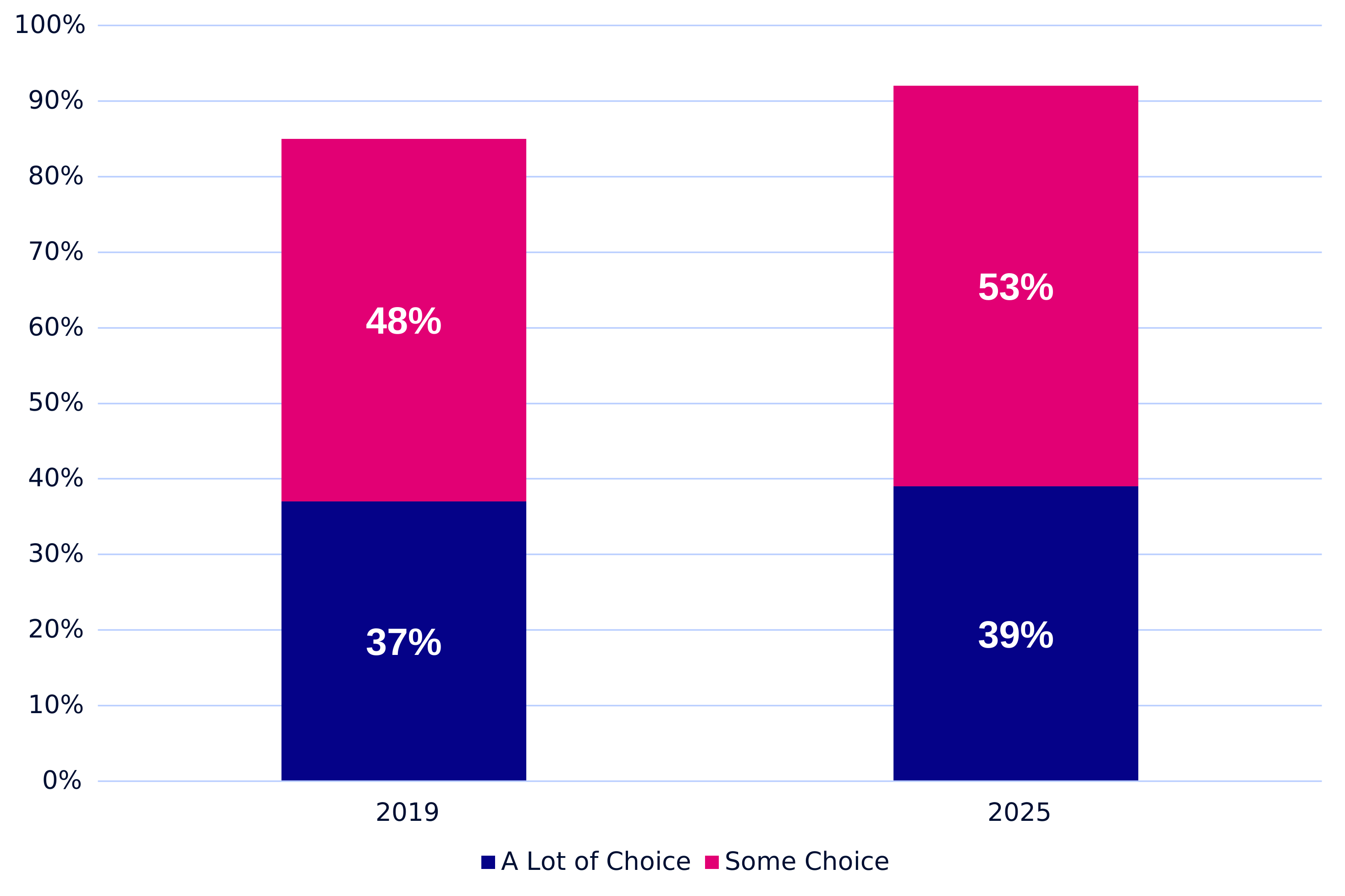
Independent contractors have real choices about who they work for, and just as importantly, who they decide not to work with. Nine out of ten (92%) independent contractors report having either a lot of choice (53%) or some choice (39%) about the organizations they work with. This is up from 80% saying they have a lot of choice (48%) or some choice (32%) in 2019.
High-earning independent contractors (those reporting annual revenues of $100,000 or more) report even higher levels of choice with almost all (99%) reporting they have a lot of choice (58%) or some choice (41%) in clients. This group includes most of the independent contractors working in hard-to-find skill areas.
The study data shows that independent contractors successfully curate their clients, with 98 percent saying they are either very satisfied (44%) or satisfied (54%) with their client relationships. Only 1% say they are dissatisfied.
Share of Independent Contractors Reporting They Have a Lot or Some Choice Over the Organizations They Work With
What do Independent Contractors Want From Their Clients?
Our study uncovered the attributes and practices that independent contractors value most — and how those factors influence their choice of projects and clients. The top attributes and practices fall into five areas. These are:
- Value my work: Nearly 90% of independent contractors cite making a difference as a key reason for working independently (footnote MBO’s SOI study). Accordingly, about 68% prefer clients who value their work. This includes treating them as part of the team, appreciating their work, and providing appropriate feedback.
- Give me control over my work: Independent contractors enjoy and have chosen to work independently for the flexibility, autonomy, and control it provides. Because of this, most prefer clients who allow them to work on tasks they like (53%), set their own schedules (52%), choose where they work (53%), and decide how to complete their work (51%).
- Provide an environment where I can thrive: Independent contractors prefer long-term partnerships with clients who offer career growth and ongoing opportunities. They also value firms that help them develop new skills: 88% consider learning opportunities either significant (49%) or important (39%), and 62% seek strategic, lasting relationships over one-time projects.
- Compensate me fairly and quickly: Competitive pay is table stakes for attracting independent contractors, and it’s the second most important reason independent contractors give for choosing their clients, just behind valuing my work. Almost two-thirds (64%) say it’s very important, and 27% say it’s somewhat important. In addition to fair compensation, 57% of independent contractors say prompt payment is very important, with 32% saying it’s somewhat important.
- Provide reasonable processes and procedures: In our surveys, corporate policies and procedures are not among the top reasons independent contractors list for choosing their clients. But interviews and focus groups with them consistently show that having fast, efficient contracting and onboarding processes, providing upfront guidance on key policies and procedures, and implementing automated systems to reduce paperwork are important factors in influencing client choice and satisfaction.
5 Steps Enterprises Can Take To Become a Client Of Choice

Incorporate them into your team
Independent talent are looking for a meaningful work environment where their coworkers respect, trust, and engage them. Encourage positive reinforcement, provide feedback on performance, and include them in team activities when legally allowable. [Note: Feedback is mentioned in items 1 and 4.]

Provide opportunities for learning and building skills
For independents to provide their clients with the best results, they need to keep their skills updated. Encourage independents to grow professionally while working with your organization and help them push the boundaries of their project assignments.

Build a flexible work environment
Independent professionals have the legal right to dictate how, where, and when they work. Respect their ability to control their work and schedule. By giving them the freedom and flexibility that their choice of work status allows, organizations will be more likely to attract and retain the skilled talent they need to stay competitive.

Value their work
Independent professionals have skills that are in high demand—they are true experts in what they do. Treat them with respect and provide honest feedback. Let them know that the contribution they are making to your company is appreciated.

Create reasonable processes and procedures
Independents are looking for clients who make it easy to work with them. Build a standard process for engagement that incorporates quick and fair compensation in line with market standards, and a streamlined onboarding process that limits paperwork and provides straightforward guidance on company policies.
Embracing the Future
Independent contractors have become an important and strategic source of human capital for most corporations. These professionals must not only fit the role they’re hired for but also align with team/company culture, have well-developed soft skills (e.g., communication and interpersonal skills, ability to meet deadlines), and have work styles compatible with company operations.
At the same time, the competition for these professionals has become more intense, especially for independent contractors with specialized, scarce skills. To attract and retain these talented professionals, enterprises need to become a client of choice as well as an employer of choice.